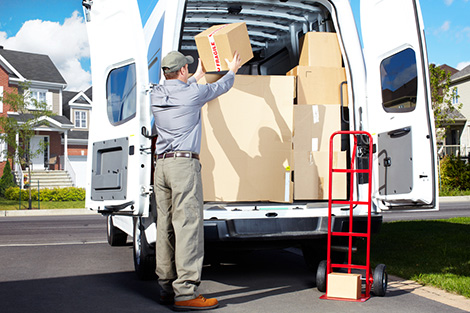
O2 Centre furniture removals Swiss Cottage made easy
If you are arranging O2 Centre furniture removals Swiss Cottage made easy, you are probably trying to solve a very real problem: how to move bulky furniture without turning your day into a stressful, scratched-wall mess. It might be a sofa that will not quite fit through the lift, a bed frame that needs taking apart, or office furniture coming out of a busy commercial unit. Either way, the job looks simple from a distance. Then you start measuring doorways and realise, well, not quite.
This guide walks you through the practical side of moving furniture around Swiss Cottage and the O2 Centre area. You will learn how the process works, what makes it smoother, which service options suit different situations, and where people most often get caught out. I will also cover best practice, common mistakes, and a useful checklist so you can plan with confidence rather than crossing your fingers and hoping for the best.
Why O2 Centre furniture removals Swiss Cottage made easy Matters
Furniture removal in Swiss Cottage is rarely just about lifting and loading. The area has busy roads, apartment blocks, mixed-use buildings, lift access that is not always straightforward, and tight time windows that can make a simple job feel a bit fiddly. That is why making the process easy matters so much. The less friction you have on the day, the lower the risk of damage, delay, or that awkward moment when a wardrobe is stuck halfway through a doorway.
For many people, the O2 Centre is part of a wider move: perhaps a shop refit, an office rearrangement, a tenancy change, or clearing large items after a lease ends. In those situations, the furniture itself is only one part of the story. You also need timing, access, transport, packing materials, and a sensible plan for what stays, what goes, and what needs special handling.
Truth be told, the easiest moves are the ones planned before the first box is touched. A bit of preparation saves a lot of shouting later. And if you have ever watched two people try to angle a sofa around a narrow landing at 7:30 in the morning, you already know why this matters.
Expert summary: Furniture removals around the O2 Centre and Swiss Cottage become much easier when you treat them as a logistics task, not just a lifting task. Measure first, sort access early, choose the right vehicle, and keep the route clear.
For readers comparing local service options, it can help to look at the wider moving picture too. Services such as home moves, commercial moves, and furniture pick-up often overlap with this kind of job, especially where a single item removal turns into a larger clear-out.
How O2 Centre furniture removals Swiss Cottage made easy Works
The process is usually straightforward, but each stage has a purpose. A good furniture removal service will first ask what needs moving, where it is going, and what access looks like at both ends. That might sound basic, but it is the difference between sending a suitable van and sending a vehicle that is too small, too large, or simply not the right fit for the building.
In practical terms, a furniture removal near the O2 Centre often follows this pattern:
- Initial review: You describe the furniture, room location, access route, and timing.
- Planning: The mover considers volume, weight, dismantling needs, stairs, lifts, parking, and loading time.
- Packing or protection: Blankets, straps, covers, and protective wrapping are used where needed.
- Collection: Items are taken out carefully, with attention to walls, floors, and shared areas.
- Transport: Furniture is secured in the vehicle so it does not shift in transit.
- Delivery or disposal: Items are dropped off, reassembled if required, or taken onward for reuse, recycling, or disposal.
The exact method depends on the furniture and the building. A flat-pack desk is not the same as a heavy oak dining table, and a sofa on the fourth floor is a different animal entirely. If a piece cannot safely pass through doors in one piece, dismantling may be the smarter choice. That is often where a man and van service or a more structured moving truck option becomes useful.
Where the move involves mixed household goods, packing support can make the whole thing much calmer. A service such as packing and unpacking services is worth considering if you are short on time or if the furniture move is part of a larger relocation.
Key Benefits and Practical Advantages
There are several reasons people choose a specialist furniture removal approach rather than trying to do everything themselves. Some are obvious; some only become obvious after the first strained back or chipped skirting board.
- Less physical strain: Heavy lifting is where most DIY furniture moves become awkward. Professional handling reduces the risk of injury and damage.
- Better handling of awkward items: Sofas, wardrobes, appliance units, beds, and conference tables all benefit from experience.
- Faster turnaround: With the right vehicle and tools, the job often takes less time than a piecemeal DIY approach.
- More reliable access planning: A mover who understands local access issues can prepare for tight loading bays, stairs, and building restrictions.
- Reduced risk of damage: Proper padding, lifting technique, and route planning matter more than most people realise.
- Flexible handling options: The same job may include collection, delivery, disposal, or temporary storage-style movement between locations.
There is also a mental benefit. Once the furniture is scheduled properly, the rest of the day feels lighter. That counts for a lot. Anyone who has moved house in London knows that the smallest win - a bed frame loaded neatly before lunch, say - can set the tone for the whole move.
If you need the item gone rather than relocated, disposal-oriented services can be useful. For example, a sofa that is past its best may be better handled through mattress and sofa disposal, while broken white goods may need fridge and appliance removal.
Who This Is For and When It Makes Sense
This kind of service is not just for people moving home. In fact, many furniture removals around Swiss Cottage are one-off, highly practical jobs rather than full relocations.
You may be a good fit if you are:
- moving into or out of a flat near Swiss Cottage or the O2 Centre
- clearing furniture after a tenancy ends
- upgrading office furniture in a commercial space
- disposing of a bulky item that will not fit into a car
- downsizing and only keeping part of your current furniture
- moving one or two high-value pieces that need care
- renovating and temporarily removing furniture from the space
It also makes sense if access is awkward. Small lifts, split-level buildings, basement storage rooms, and controlled parking can turn a simple sofa collection into a proper logistical puzzle. Does that mean you cannot do it yourself? Of course not. It just means you should be realistic about the time, effort, and risk involved.
Commercial clients often benefit from a more structured service, especially where business continuity matters. If that sounds familiar, office relocation services can be a better fit than treating the job as a casual collection. For homeowners, a broader house removalists approach may suit a larger move better than a one-item van booking.
Step-by-Step Guidance
Here is a practical, no-nonsense way to organise furniture removal near the O2 Centre. Nothing flashy. Just the things that actually help.
1. List every item clearly
Write down what is being moved, including dimensions if you have them. A quick note like "large sofa, two armchairs, king bed frame, six boxes" is better than trying to remember it later. If a piece is fragile, bulky, or awkwardly shaped, say so up front.
2. Check access at both ends
Look at stairs, lifts, door widths, parking, and loading space. In London, access is often the hidden issue. A route that looks fine on paper can get tricky the moment a delivery van meets a narrow street or an awkward entrance.
3. Decide whether items need dismantling
Some furniture should be moved in one piece. Other items are safer and quicker to dismantle first. Beds, wardrobes, and modular shelving often fall into this category. Keep screws and fittings in labelled bags. Small job, big difference.
4. Protect surfaces before lifting begins
Use blankets, corner protectors, straps, and floor coverings where needed. The aim is not just to protect the furniture. Walls, bannisters, and communal hallways need care too, especially in managed buildings.
5. Keep a clear loading path
Remove loose clutter, shoes, plant pots, and anything else that becomes a trip hazard. It sounds obvious, but under pressure people forget. A clear route speeds everything up and makes the whole process calmer.
6. Load in the right order
Heavy and sturdy items generally go in first, with lighter items packed around them and secured properly. The point is to stop movement during transit. Nobody wants a sideboard skating across the van like it has somewhere else to be.
7. Confirm disposal or delivery details
If the furniture is going to a new address, check who will be there to receive it. If it is going for disposal or recycling, make sure the chosen service can handle it. If you are unsure, ask before the day rather than during the lift.
Expert Tips for Better Results
After enough moves, a few patterns become obvious. The smooth jobs usually share the same habits.
- Measure the furniture and the route. Door frames and stair turns are the usual trouble spots, not the big open room everyone worries about.
- Book around building rules. If your building prefers certain hours for deliveries or removals, work with that rather than against it.
- Separate keep, move, recycle, and dispose piles early. Decision fatigue is real. It gets worse when everything is stacked in one room.
- Photograph awkward items. A quick photo helps the mover judge weight, shape, and dismantling needs more accurately.
- Use the right service level. A light item collection is different from a full property clear-out. Be honest about the scale.
- Keep valuables and documents separate. If something should not go with the furniture, set it aside early. Very early.
One small but useful habit: put a visible label on every item that is definitely not going. It sounds almost too simple, but it prevents the classic "wait, was that chair staying?" moment.
If you expect a mixed job, combining moving and disposal, it can also help to think ahead about waste streams. Services such as recycling and sustainability or what can go in a skip can be useful reference points when you are deciding what should be reused, recycled, or removed responsibly.
Common Mistakes to Avoid
Most furniture removal problems are avoidable. That is the frustrating part, really. They usually happen because one small detail was assumed instead of checked.
- Underestimating size and weight: "It should fit" is not a measurement.
- Forgetting lift restrictions: Some buildings have limits on lift use, booking windows, or loading access.
- Leaving dismantling too late: Taking apart furniture in a rush can damage fittings and slow everything down.
- Not protecting floors and walls: Even careful movements can leave marks if the route is tight.
- Assuming disposal is automatic: A mover may transport the item, but you should confirm the end point and handling method.
- Choosing the wrong vehicle size: Too small means extra trips; too large can be awkward for access and parking.
A common one, and let's be fair, it happens a lot, is forgetting that the item has to go back out the way it came in. That beautiful armchair may have entered a room with the help of two friends, a bit of swearing, and one lucky angle. It does not mean it will leave easily.
Another issue is trying to mix clutter clearance with a furniture move without sorting the categories first. If there is rubbish, broken stuff, and items for reuse all in the same pile, the loading plan gets messy fast.
Tools, Resources and Recommendations
You do not need a warehouse full of equipment to make a furniture move go well, but the right tools help more than people expect. A basic professional kit often includes the following:
- moving blankets or furniture pads
- ratchet straps or securing straps
- trolleys or dollies for heavier items
- gloves with decent grip
- plastic wrap or protective covers
- basic dismantling tools for beds and flat-pack furniture
- labels or tape for organising parts and accessories
For local planning, it can also help to use nearby service pages and practical information sources on the same website. If you are comparing costs, the page on pricing and quotes is a good starting point. If the move involves payment handling or booking confidence, payment and security gives an extra layer of reassurance. And if you prefer to arrange everything online, book online can save a bit of back-and-forth.
Sometimes the most helpful resource is simply a clear conversation. Describe the item, the building, the access, and the timing. It sounds simple because it is simple. But simple is good. Simple reduces mistakes.
Law, Compliance, Standards, or Best Practice
Furniture removals are practical jobs, but they still sit inside a wider framework of safety, property care, and responsible waste handling. You do not need to turn into a compliance expert overnight, yet it is sensible to understand the basics.
First, moving heavy furniture should be approached with safe manual handling in mind. That means using proper lifting technique, avoiding unnecessary strain, and not asking one person to do a two-person job just to save ten minutes. In normal UK practice, risk awareness matters more than bravado.
Second, if items are being disposed of, they should be handled responsibly. Furniture that can be reused or recycled should not be treated the same way as contaminated or broken waste. Some materials may require special handling. For example, appliances and certain waste types should be separated rather than bundled together. If something is questionable, ask before loading it.
Third, building rules and access arrangements matter. Many flats and commercial premises have procedures around loading bays, lifts, or time slots. Following those rules keeps everyone on better terms and avoids delays. Nothing glamorous there, just good practice.
Finally, insurance and liability should be checked where relevant. If an item is valuable, fragile, or difficult to replace, you should know how it is being protected during transit. A reputable mover will be able to explain their approach plainly. If the answer sounds vague, that is usually a sign to ask more questions.
For a more general view of safety expectations and service conduct, the pages on health and safety policy, insurance and safety, and terms and conditions are useful reference points.
Options, Methods, or Comparison Table
There is more than one way to handle furniture removals in Swiss Cottage, and the best option depends on the item, distance, access, and your own time constraints. Here is a simple comparison to make the choice clearer.
| Option | Best for | Strengths | Watch-outs |
|---|---|---|---|
| Self-move with a hired vehicle | Short local moves, low furniture volume | Can be economical if you already have helpers | More physical effort, greater risk of damage, parking stress |
| Man and van | Single items, small to medium furniture loads | Flexible, practical, suited to local access challenges | May not suit bulky multi-room moves without enough capacity |
| Full removal service | Larger household or office relocations | More structured planning and broader support | Usually more than you need for one or two items |
| Removal plus disposal | Old furniture, clear-outs, end-of-tenancy jobs | Convenient when some items are leaving the property for good | Requires clear sorting of reusable vs disposable items |
If you are unsure which route fits, ask yourself one simple question: are you moving furniture, or are you really trying to solve a space, timing, or disposal problem? The answer usually points to the right service.
Case Study or Real-World Example
Imagine a small flat near Swiss Cottage with a large corner sofa, a bed frame, and a dining table to move out before new flooring is fitted. The building has a lift, but it is narrow, and the management team allows moving only in a set window. The residents on the floor are at work during the day, which helps, but the access route still needs care.
In a case like this, the smoothest approach is usually to measure everything in advance, confirm the booking window, and decide whether the bed frame and table need dismantling. The sofa may need two people to angle it through the hallway, while the table is wrapped to prevent chips. If the new flooring is already down, extra floor protection becomes important. No drama, just caution.
The thing that makes the difference is not speed on the day; it is preparation. The collection can be done cleanly when the route is clear and the furniture has already been grouped by priority. One piece out, then the next. Calm beats rushed every time.
For commercial settings, the same principle applies with a few more moving parts. An office move involving desks, chairs, and storage units may also connect with office relocation services or, for smaller local collections, a more flexible man with van arrangement. If the furniture is being sold on or collected from a property sale, local planning can become even more relevant, and the article on property sales in Swiss Cottage may be useful context.
Practical Checklist
Use this checklist before moving day. It is simple, but it catches most of the avoidable problems.
- Measure all furniture items.
- Check doorways, stairs, and lift dimensions.
- Confirm parking or loading access.
- Decide what is being moved, sold, reused, or disposed of.
- Dismantle any items that will not fit safely in one piece.
- Label screws, fittings, and small parts.
- Protect floors, corners, and vulnerable surfaces.
- Keep routes clear of clutter and trip hazards.
- Confirm timing with the mover and the building, if needed.
- Separate valuables and documents from the furniture job.
- Check whether any appliances or special items need separate handling.
- Review quote details before the move starts.
Quick takeaway: if you can answer three questions clearly - what is moving, how it gets out, and where it is going - you are already ahead of most last-minute furniture jobs.
Get a free quote today and see how much you can save.
Conclusion
Making O2 Centre furniture removals Swiss Cottage made easy is really about reducing friction. The right approach turns a stressful, awkward job into a controlled one: measure carefully, plan the access, pick the right vehicle or service level, and keep the furniture protected from start to finish. Small details matter more than people think, especially in a busy part of London where stairwells, parking, and building rules can all change the feel of the day.
Whether you are moving one bulky item, clearing a flat, or shifting commercial furniture, the aim is the same: safe handling, sensible timing, and no unnecessary drama. That is the win. And once the last item is out, the room feels oddly peaceful, like it can breathe again.
When the job is planned well, the whole thing becomes a lot less heavy - physically and mentally. And that, to be fair, is exactly what you want.
Frequently Asked Questions
What does furniture removals near the O2 Centre usually include?
It usually includes collection, loading, transport, and delivery or disposal of furniture items. Depending on the job, it may also include dismantling, protective wrapping, and help with access planning.
Can I book a furniture removal for just one item?
Yes. A single sofa, bed frame, wardrobe, or table is a very common type of job. In fact, one-item removals are often the easiest to organise when access is clear.
Do I need to dismantle furniture before the movers arrive?
Not always, but it can help a lot. Larger items such as beds and wardrobes may move more safely if they are partly dismantled first. If you are unsure, ask during booking rather than guessing on the day.
How do I know if a man and van service is enough?
If you are moving a small to medium furniture load, or just a few bulky items, a man and van service is often enough. If you have multiple rooms' worth of furniture, a larger removal setup may be better.
Is parking a big issue for furniture removals in Swiss Cottage?
It can be. Local access, loading space, and building rules often matter more than people expect. Checking parking arrangements in advance saves time and reduces the chance of delays.
What happens if my furniture will not fit through the door?
That is where dismantling, careful angling, or alternative routes come in. If none of those work safely, the mover may recommend a different approach. Better to pause and solve it properly than force the item through and damage the property.
Can old furniture be taken away for disposal?
Yes, if the service offers disposal or clearance handling. It is helpful to separate items for reuse, recycling, and disposal so the right process can be used for each one.
How far in advance should I book?
As early as you can, especially if you need a specific time slot, have building restrictions, or are moving at a busy point in the month. Short-notice bookings are sometimes possible, but planning ahead is safer.
Are furniture removals suitable for offices too?
Absolutely. Desks, chairs, cabinets, reception furniture, and meeting tables are all common commercial removal items. For larger workplaces, a dedicated office relocation service may be more suitable.
What should I ask before accepting a quote?
Ask what is included, whether dismantling is covered, how access issues are handled, and whether the quote reflects disposal, delivery, or both. Clear questions now prevent awkward surprises later.
Do I need to be present for the removal?
Usually, yes, at least at the start and end, so you can confirm what is going and where it is going. If someone else is handling the handover, make sure that person knows the plan in detail.
What is the biggest mistake people make with furniture removals?
The biggest mistake is underestimating the access route. People often focus on the furniture itself and forget the hallway, lift, stairs, or parking situation. That is where the job is won or lost, honestly.
Can I combine furniture removal with other services?
Yes, and that is often sensible. Many people combine furniture removal with packing support, appliance removal, or general moving help so the whole job stays tidy and coordinated.