Man with van Finchley Road near Swiss Cottage station: a practical local guide
If you are trying to move a sofa, a flat's worth of boxes, or a few bulky office items around North West London, a Man with van Finchley Road near Swiss Cottage station service can be exactly the right fit. It is quick, flexible, and usually far less stressful than hiring a large removal vehicle for a job that does not need one. In a busy stretch like Finchley Road, with traffic, loading limits, and the usual London "where on earth do I stop?" problem, the right moving support matters more than people think.
This guide breaks down what the service is, how it works, who it suits, and how to avoid the annoying little mistakes that can slow everything down. You will also find practical advice on pricing, preparation, safety, disposal, and the best way to compare moving options without overcomplicating things.
Why Man with van Finchley Road near Swiss Cottage station Matters
Finchley Road and the streets around Swiss Cottage station sit in a part of London where movement is constant. People change flats, offices relocate, students arrive and leave, and furniture gets delivered or removed with very little notice. That makes a nimble moving service especially useful. A van that can get in, load safely, and get out without fuss often solves a problem faster than a larger and more rigid operation.
There is also the geography of the area to consider. Finchley Road is busy, often tight for stopping, and not exactly forgiving if you have underestimated the size of the load. If you are moving from a first-floor flat, collecting a second-hand wardrobe, or shifting commercial stock, you need a service that understands the reality of urban access. Not theory. Reality.
That is where a man with van setup earns its keep. It is usually built for smaller-to-medium removals, short-notice jobs, and point-to-point transport. You are not paying for empty space you do not use, and you are not trying to fit a square peg into a very expensive round hole. To be fair, that is why so many local moves work better with this model.
For readers comparing service types, it may help to look at related options such as man and van moving support, home moving help, and commercial moves depending on what you are shifting and how much handling you need.
Expert summary: If the job is local, time-sensitive, and not enormous, a man with van service near Swiss Cottage is often the most practical blend of value, speed, and flexibility.
How Man with van Finchley Road near Swiss Cottage station Works
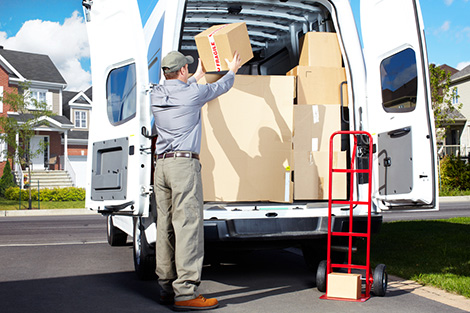
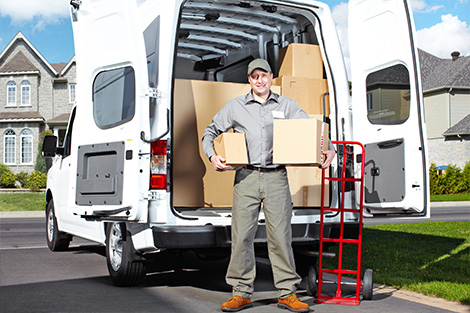
In simple terms, the process is straightforward: you give details about the items, the pickup and drop-off points, any access issues, and the preferred time. The provider then decides what vehicle size and manpower are appropriate. On the day, the driver arrives, loads the items, secures them for transit, and delivers them to the destination. Sometimes the service includes carrying items up and down stairs, dismantling furniture, or helping with disposal. Sometimes it does not. Always check. That little detail can change the whole day.
A good service will ask sensible questions up front. How many boxes? Any fragile items? Are there lifts? Is parking awkward? Is the pickup on a narrow road or near a loading restriction? These are not random admin questions. They are what prevent a job running 40 minutes late because someone discovered a chest of drawers would not fit through the hallway.
Most people around Swiss Cottage use this kind of service for one of three reasons: they need help moving belongings within London, they want a cheaper alternative to a full removal truck, or they need a fast collection of bulky items. The work can be surprisingly varied, and that is part of the appeal. One day it is a mattress and two bags. The next it is a small office move with monitors, chairs, archive boxes, and the sort of cables that seem to breed in drawers.
If packing is part of the issue, it can be worth reviewing packing and unpacking services before the move. If you already know the items are larger than expected, a moving truck or removal truck hire may be the better fit. Simple enough, really.
Key Benefits and Practical Advantages
The main benefit is flexibility. A smaller moving setup can be booked for compact moves, awkward collections, and jobs that do not justify a big crew. That flexibility is especially useful in London where schedules, parking, and access can shift from one hour to the next.
Another advantage is speed. A local man with van team can often cover short journeys efficiently, especially where the route is familiar. Around Finchley Road and Swiss Cottage, that local knowledge can help with timing, access points, and sensible loading decisions. There is no magic in that, just experience.
There is also cost control. When you do not need a full-scale house move, you should not pay as though you do. Smaller jobs can be priced more sensibly, and that makes this service attractive for renters, students, small businesses, and anyone who is not moving an entire household.
Other practical benefits include:
- Better fit for single-room, partial, or multi-drop moves
- Less waste than booking oversized transport
- Useful for last-minute bookings
- Handier for narrow streets and busy urban access
- Often easier for one-off furniture pick-ups or drop-offs
For people dealing with a few bulky items, it can be paired with furniture pick-up or, where needed, disposal support such as mattress and sofa disposal. That flexibility makes life a bit easier, which in London is never a bad thing.
Who This Is For and When It Makes Sense
This service is not just for people moving flats, although that is a big part of it. It suits anyone who needs practical transport without the scale of a full removals operation.
Common use cases
- Students moving into or out of shared accommodation
- Tenants relocating from a studio, one-bed, or small flat
- Homeowners moving a few items between addresses
- Landlords clearing leftover furniture
- Small businesses relocating desks, chairs, or archives
- Online sellers or private buyers arranging bulky collections
It also makes sense when your timing is awkward. Maybe you need a same-day collection after a marketplace sale. Maybe the lift is broken, and you are staring at three flights of stairs. Maybe the new place is not ready yet, so the move has to happen in stages. These are exactly the sort of situations where a flexible moving service earns its name.
If your job is more like a full property clearance or a larger household move, then a dedicated house removalists service may be more suitable. Likewise, businesses shifting multiple departments should explore office relocation services. Matching the service to the job is half the battle.
Step-by-Step Guidance
Here is the easiest way to approach a local van move without turning it into a headache.
- List what needs moving. Be specific. "About 12 boxes, a bed, two bedside tables, a desk, and a monitor" is much better than "some stuff."
- Check access. Note stairs, lift size, parking restrictions, narrow entrances, and whether the items are from a basement or upper floor.
- Decide what goes and what stays. This is the moment to separate keep, donate, recycle, and dispose. Do not leave it until the van is outside and everyone is looking at you.
- Measure the awkward items. Wardrobes, sofas, appliances, and large mattresses are the usual troublemakers.
- Choose the right service type. For smaller loads, a man with van is often enough. For mixed domestic moves, you may want a broader home moves solution.
- Book with a realistic time window. London traffic is London traffic. Give yourself a little breathing room.
- Pack safely. Seal boxes properly, wrap fragile items, and keep essentials separate.
- Confirm payment and service details. Know what is included before the job starts, not when the van is already halfway loaded.
There is a quiet satisfaction in a move that has been thought through properly. Fewer surprises. Less scrambling. More chance of finishing with your shoulders still attached, which is always a bonus.
Expert Tips for Better Results
First, photograph bulky items before the move. This can be useful if there is any confusion about condition, access, or how a piece should be handled. It is not about being dramatic. It is just sensible.
Second, keep parking and loading in mind. Around Swiss Cottage, a few minutes saved on access can make the whole booking smoother. If there is a nearby loading bay or a safer pickup point, tell the provider early. A driver cannot read your mind, regrettably.
Third, pack by room or purpose. Kitchen items together. Books together. Office gear together. That makes unloading far faster and reduces the number of "where did the kettle go?" moments later on.
Fourth, separate anything that should not travel with the rest. Documents, keys, medications, chargers, and valuables belong with you. That sounds obvious. People still forget, especially when the front door is open and the clock is ticking.
Fifth, for larger moves, consider whether extra hands are worth it. The right answer is not always the cheapest one. If you have heavy items, awkward stairs, or a narrow hallway, a bit of extra support can save time and reduce damage risk. If you are unsure, ask for advice and compare it with the service options on pricing and quotes.
Common Mistakes to Avoid
The most common mistake is underestimating volume. A few boxes always look harmless until they are lined up in the hallway. Then suddenly the job is bigger than expected. Funny how that works.
Another frequent problem is forgetting access constraints. Finchley Road and nearby roads can be awkward, and a van that cannot stop safely creates delay for everyone. If parking or loading is tight, say so early.
People also get caught out by not checking what is included. Does the service cover loading only, or loading and unloading? Are stairs included? Is dismantling included? Will the driver help place items in the right room? These details matter.
Other mistakes worth avoiding:
- Leaving packing until the last minute
- Forgetting to measure large furniture
- Not separating disposal items from move items
- Assuming every quote covers the same level of service
- Booking too tight a time slot for a busy London route
If you are also getting rid of old appliances or waste items, do not mix everything together without planning. Services such as fridge and appliance removal and hazardous waste disposal are very different from ordinary transport. Keep the categories clear. It avoids awkward surprises later.
Tools, Resources and Recommendations
You do not need a full warehouse of equipment to prepare for a van move, but a few basic tools make life easier.
- Strong boxes: use uniform boxes where possible so stacking is safer
- Packing tape: ordinary weak tape is a false economy
- Labels or marker pens: room names save time at delivery
- Blankets and wraps: good for furniture edges and fragile surfaces
- Dolly or sack truck: useful where access allows, especially for heavier boxes
- Torches: handy in basement storage or dim stairwells
For people moving mixed loads, a few service pages are worth a look because they help you think in the right direction. Insurance and safety is useful if you want reassurance about care in transit, while payment and security helps you understand the practical side of booking. If the move also involves reducing waste, the page on recycling and sustainability is a sensible companion read.
And if you are clearing out old items before a move, you may find what can go in a skip helpful as a rough guide to what should be separated for disposal rather than transport.
Law, Compliance, Standards, or Best Practice
For local moving work, the main thing is to handle items responsibly, protect people from avoidable injury, and keep the job within normal UK moving and waste-handling expectations. You do not need to become an expert in transport law, but you should expect sensible behaviour, clear pricing, and careful handling.
If a move includes disposal, recycling, or the removal of waste-like items, best practice becomes even more important. That means not mixing ordinary household goods with items that need special handling. It also means being honest about what is being moved and what is being discarded. In everyday terms: tell the truth, separate the piles, and do not leave a mystery bag in the corner hoping nobody notices.
Professional providers should also have a clear approach to health and safety, especially for lifting, carrying, and loading. If you are comparing providers, it is reasonable to look for evidence of structured processes in pages such as health and safety policy and insurance and safety. That does not guarantee perfection, of course, but it does show the business has thought about the real-world risks.
Where document handling or clearance is involved, use services designed for that purpose. A general moving van is not a document destruction service, and confidential paperwork should be treated with care. If you need that sort of support, see confidential shredding.
Options, Methods, or Comparison Table
Choosing the right moving method usually comes down to load size, access, budget, and how much help you want with handling. Here is a simple comparison.
| Option | Best for | Pros | Watch out for |
|---|---|---|---|
| Man with van | Small to medium moves, local transport, one-off collections | Flexible, cost-effective, quick to arrange | May not suit very large loads or complex dismantling jobs |
| Full home move service | Whole flats or houses, more belongings, more time on site | Better for larger jobs, more structured support | Can be more expensive than needed for small moves |
| Moving truck hire | Bulkier loads, heavier items, bigger volume | Good capacity, suitable for substantial removals | Overkill for a handful of items |
| Furniture pick-up only | Single items or small collections | Simple and targeted | Limited if you also need loading or unloading help |
The simple rule is this: match the vehicle and the crew to the actual job. Not the imagined job. Not the "maybe I'll move half the flat while I'm at it" job. The actual one.
Case Study or Real-World Example
Here is a typical local scenario. A tenant near Swiss Cottage station is leaving a one-bedroom flat and needs to move a bed frame, mattress, small sofa, desk, three boxes of books, kitchen items, and a lamp to a new address a short drive away. They also want the old fridge removed because the new place already has one.
At first glance, it looks simple enough. But the lift is small, the road is busy, and the sofa is awkward at the corner of the stairwell. A full removal truck would be more than they need, yet carrying everything themselves would be slow and physically rough. The sensible solution is a man with van service for the main move, plus separate appliance removal support where required.
In that kind of job, the win comes from preparation. The tenant measures the fridge, clears a path through the flat, labels boxes by room, and keeps essentials in a separate bag. The move goes from stressful to manageable. Not perfect. Rarely is. But manageable, and that counts for a lot on a weekday morning when the road is already humming outside.
That example also shows why service matching matters. A mixed domestic move is not the same as a furniture-only collection, and it is not the same as an office shift. If the job looks more business-like, office relocation services or commercial moves may be more appropriate.
Practical Checklist
Use this before you book.
- Write down every item that needs moving
- Measure large or awkward pieces
- Check stairs, lifts, and parking at both ends
- Separate items to keep, donate, recycle, or dispose of
- Decide whether you need loading, unloading, packing, or dismantling
- Confirm the date, time window, and access details
- Ask what is included in the service price
- Keep documents, keys, and valuables with you
- Pack fragile items properly and label the boxes
- Have a backup plan for weather, delays, or access issues
A quick checklist like this sounds basic, but basic is often what keeps the day from wobbling. Good moves are usually built on ordinary things done well.
Conclusion
A Man with van Finchley Road near Swiss Cottage station service is often the sweet spot between doing everything yourself and paying for a bigger removal operation than you really need. For local flat moves, furniture collections, small office changes, and short-notice transport, it offers the kind of practical support that feels calm, efficient, and refreshingly uncomplicated.
The best results come from honest planning: measure properly, describe the load clearly, check access, and choose the service level that matches the job. If you do that, the whole process becomes much easier. Less guesswork. Less rushing. Fewer moments standing in the hallway wondering how a sofa got so stubborn. And yes, that happens more often than anyone admits.
For a smoother move, compare your options carefully, keep the load realistic, and use the right support for the right task. It is simple advice, but it saves time and energy. And sometimes that is the difference between a messy moving day and one that actually feels under control.
Get a free quote today and see how much you can save.
When the job is matched well and the details are clear, moving in North West London can be surprisingly straightforward. Not effortless, but straightforward. And that is often enough to breathe a little easier.
Frequently Asked Questions
What does a man with van service usually include?
It usually includes a driver with a van, transport between addresses, and often loading and unloading help. Some providers also offer packing, furniture handling, or disposal support, so it is best to confirm exactly what is included before booking.
Is a man with van suitable for moving from Finchley Road near Swiss Cottage station?
Yes, especially for small to medium local moves, flat moves, or furniture collections. It is a practical choice in busy London areas where access and parking can make larger vehicles less convenient.
How far in advance should I book?
If your move is simple and local, some jobs can be arranged quickly. For weekends, month-end moves, or more involved jobs, booking earlier is safer. London schedules have a habit of filling up faster than you expect.
What should I do before the van arrives?
Pack boxes, label them, measure awkward items, clear hallways, and separate items that are not going with you. The better prepared you are, the faster the move tends to go.
Can I use this service for a single furniture item?
Yes. Single-item collections are one of the most common reasons people book this type of service. A sofa, bed, wardrobe, fridge, or desk can all be moved this way, depending on access and size.
Is it cheaper than a full removal service?
Often yes, but not always. The price depends on distance, time, item size, access, and how much handling is needed. For a small job, a man with van service is usually more cost-effective than a larger removal setup.
Do I need to dismantle furniture first?
Not always. Some items can travel assembled, while others are easier and safer to move when dismantled. If a bed frame or wardrobe is too awkward to carry intact, taking it apart may save time and reduce risk.
What happens if parking is difficult near Swiss Cottage?
Tell the provider in advance. Good planning helps with loading points, timing, and access. If the road is especially tight, the driver may suggest a better pickup arrangement. That sort of practical adjustment is normal.
Can this service help with office moves as well?
Yes, for small office relocations or selected items such as desks, chairs, IT equipment, or filing. Larger business moves may be better suited to a dedicated office relocation service.
What if I have items to dispose of, not just move?
Then it is worth separating them clearly from the items being transported. Some providers can help with disposal-related services such as furniture pick-up, appliance removal, or mattress and sofa disposal, depending on the items involved.
How do I make sure my belongings are handled safely?
Use sturdy packaging, label fragile boxes, tell the provider about heavy or awkward items, and check for normal safety and insurance arrangements. Careful handling starts with good information. It really does.
Should I choose man and van or a bigger vehicle?
Choose based on the load, not just the distance. If you are moving a few boxes and a bed, a smaller setup is probably enough. If you have many items, bulky furniture, or a larger property move, a moving truck may be more appropriate.